Vertical stripes
縦縞 tate jima
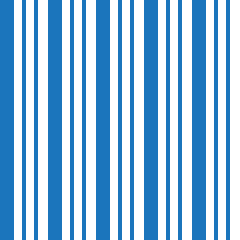
Vertical stripes look slim and stylish; a staple of Edo-period chic with no special symbolism, good for everyday and men's wraps.
Striped fabric imported in the 15th–16th centuries; fashionable in the Edo period
Stripes were rare in early Japanese dress. Striped cotton arrived on foreign ships, mainly from Southeast Asia, in the 15th–16th centuries among the 'island goods' (shimamono), and the word shima ('island') came to mean stripe. Domestic weaving followed, and in the Edo period, with cotton widespread and sumptuary laws limiting showy dress, vertical stripes became the chic everyday choice of townspeople, with countless named variants.